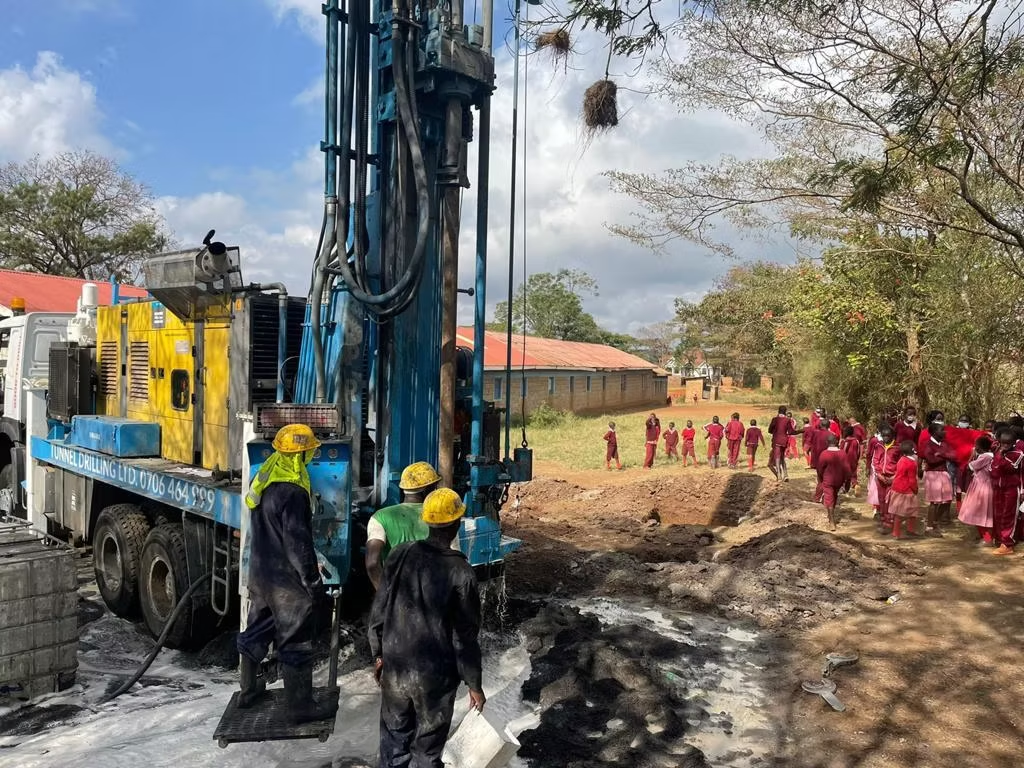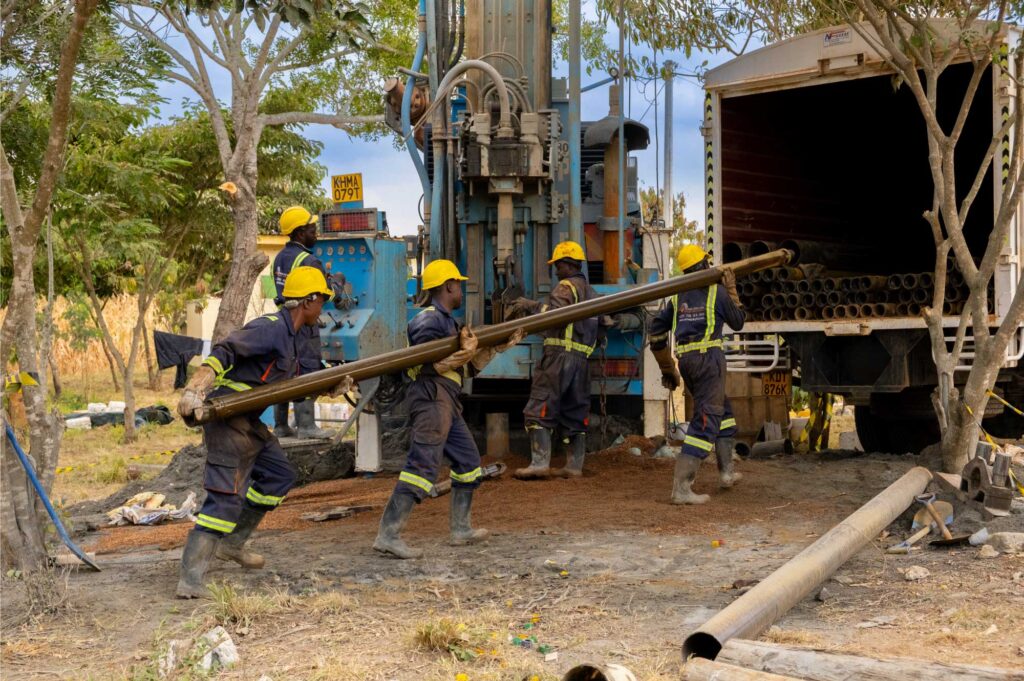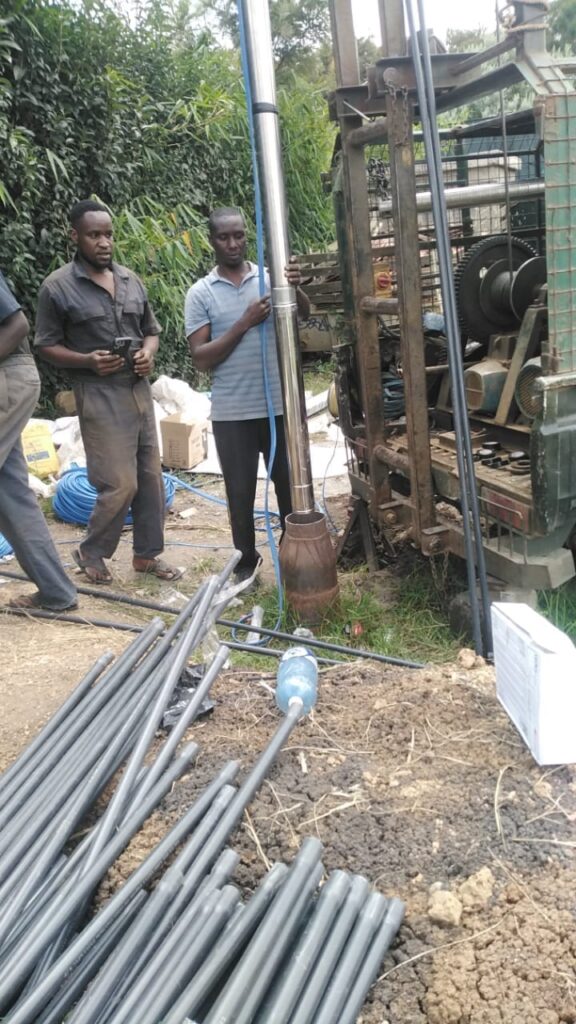
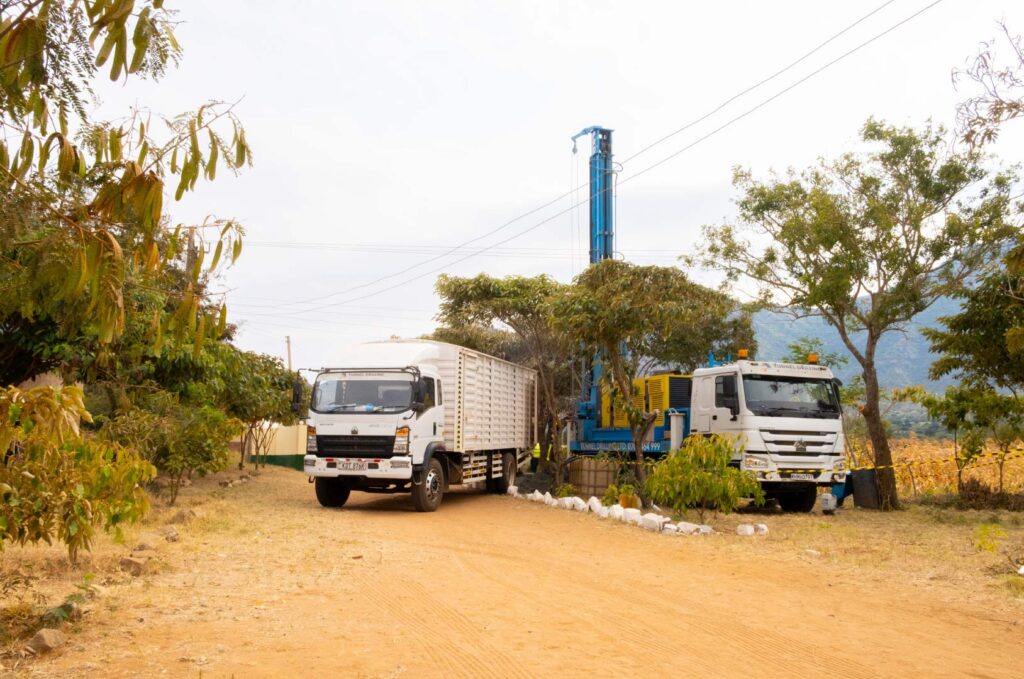
Access to clean, reliable water remains a top challenge for many homes, farms, and businesses in Kenya. Borehole drilling in Kenya presents a long-term solution by tapping into underground aquifers that are less affected by seasonal changes and unreliable municipal systems. Unlike surface water sources such as rivers and dams, groundwater is naturally filtered and often safer for use with proper treatment. Moreover, boreholes lessen pressure on surface sources, protecting ecosystems and supporting environmental conservation efforts.
For households, this means uninterrupted access to water for drinking, cooking, and sanitation, even during periods of drought. For agricultural operations, boreholes ensure that crops and livestock have the water they need throughout the year, boosting productivity and food security. Businesses — from hotels and factories to construction sites — benefit from consistent water supply, reducing downtime and operational disruptions.
Although the initial investment in drilling can be significant, boreholes often lead to substantial cost savings over time. Once a borehole is operational, maintenance costs are generally low, and users avoid monthly water bills or expensive hauling fees. With proper design and construction, boreholes can serve communities for decades, making them a cost-effective and sustainable water solution in Kenya.
For quality results, it’s crucial to work with experienced professionals who conduct hydrogeological surveys, use modern drilling equipment, and follow regulatory guidelines to ensure yield, water quality, and environmental safety. By choosing expert borehole drilling services, clients secure a dependable water source that enhances resilience against climate variability and supports growth across domestic, agricultural, and commercial sectors.