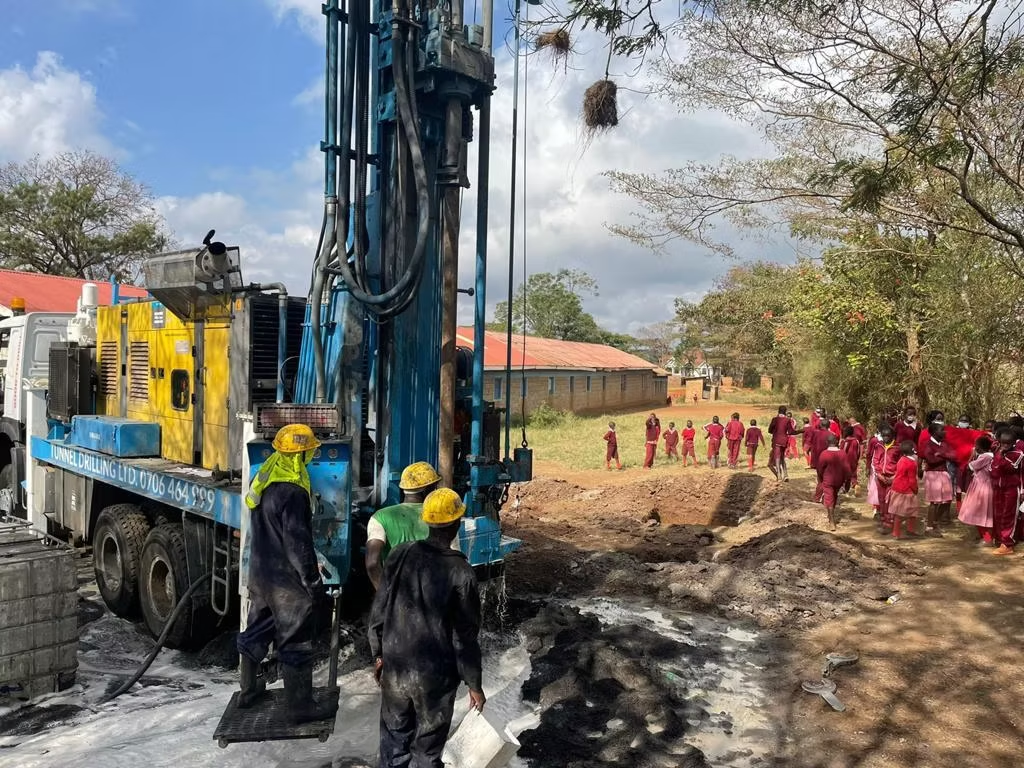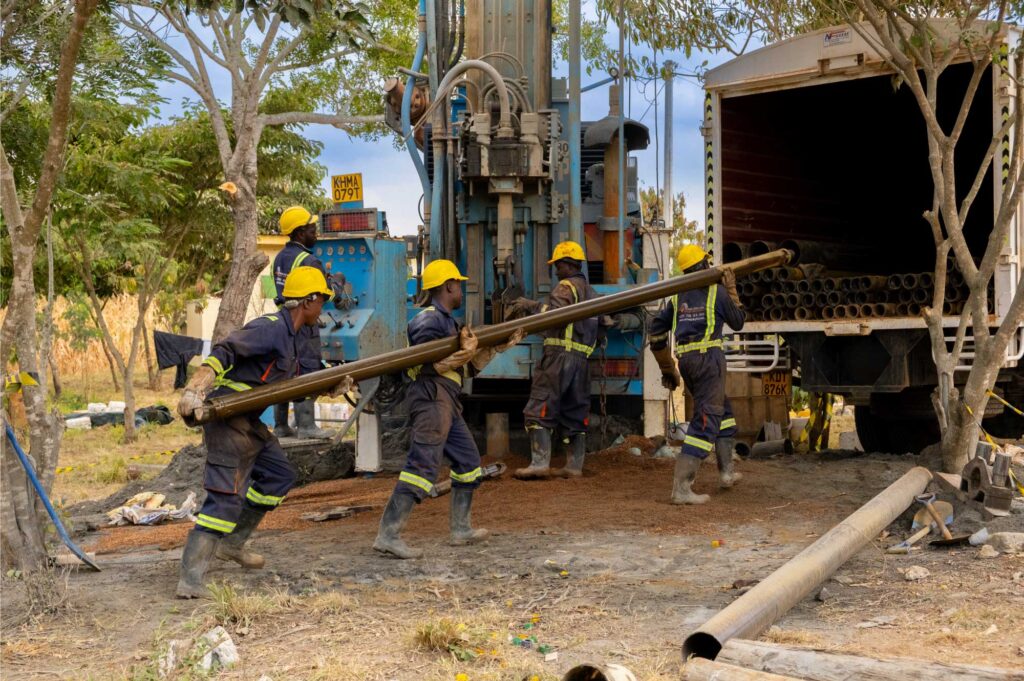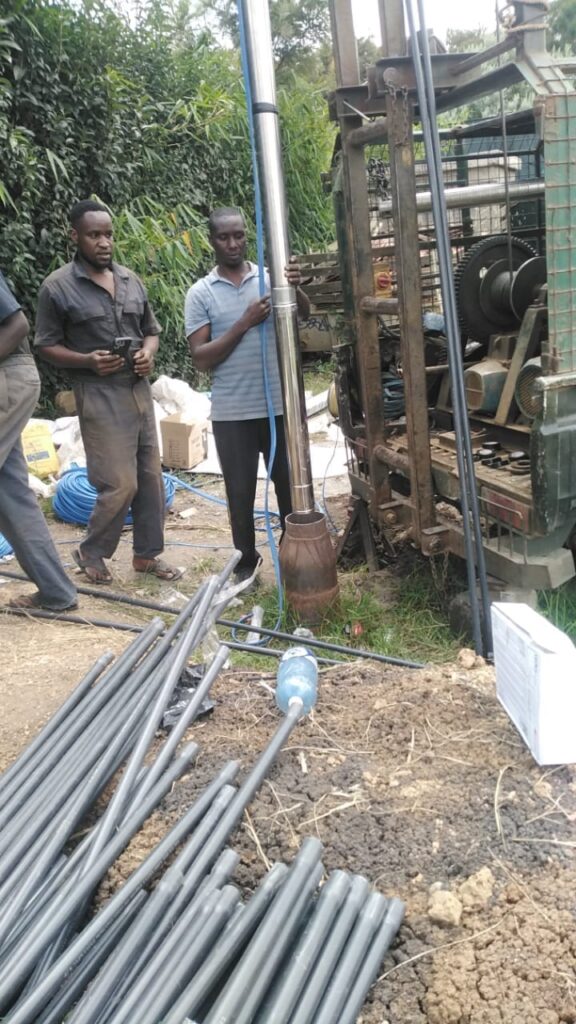
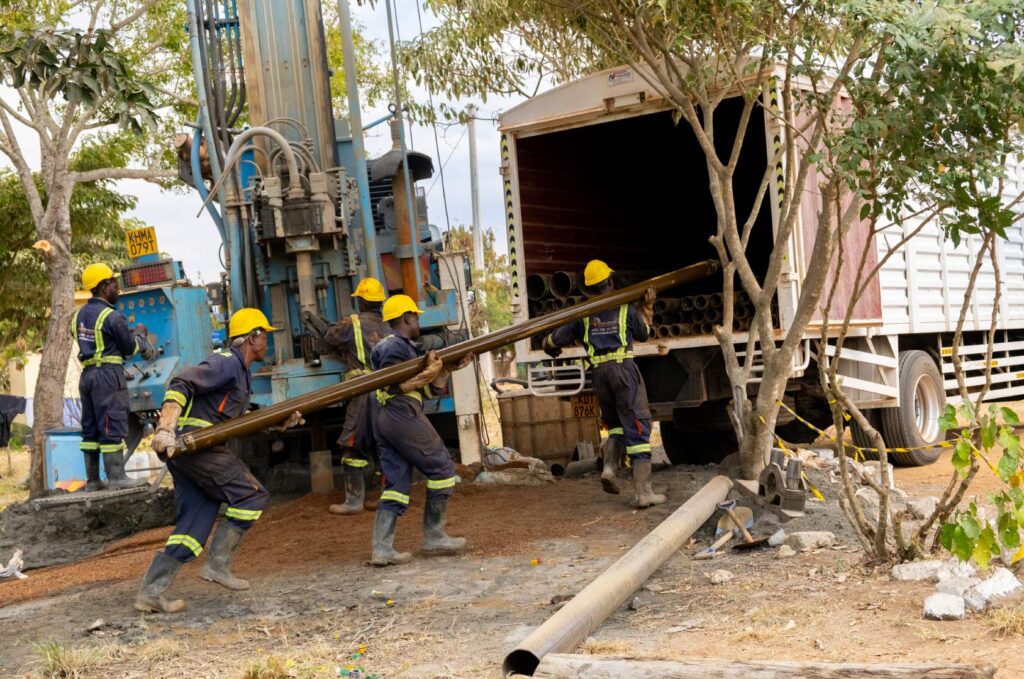
Solar-powered boreholes are transforming access to clean water across Kenya — especially in remote and off-grid regions where grid electricity is scarce or expensive. These systems combine efficient borehole drilling with solar energy to create a sustainable and cost-effective water solution that operates independently of external power sources.
One of the biggest advantages of solar-powered boreholes is the reduction in ongoing energy costs. After installation, solar panels harness free sunlight to power submersible pumps, greatly reducing electricity bills and eliminating the need for fuel-dependent generators. Over time, the energy savings often offset the initial investment in solar technology.
In rural areas, where water needs are critical for homes, livestock, and irrigation, solar boreholes ensure reliable water delivery throughout the year. They are particularly valuable during prolonged dry seasons when municipal or surface water sources fail. These systems also contribute to environmental sustainability by reducing carbon emissions associated with diesel or grid electricity use.
Solar boreholes support multiple applications: from residential water supply, agricultural irrigation, and livestock watering to water kiosks for community use. Institutions such as schools and health centers also benefit from dependable access to clean water, improving hygiene and overall well-being.
To maximize performance, it’s essential to work with experienced borehole drilling professionals who can design system specifications — including panel size and pump capacity — based on your site’s sunlight availability and water yield requirements. With the right setup, solar-powered boreholes offer a resilient, affordable, and environmentally friendly water solution for communities and businesses across Kenya.