
FAQs

Frequently Asked Questions

General Question

find insightful, informative answers to your most important drilling inquiries.

The borehole drilling process starts with a hydrogeological survey to locate the best underground water source, followed by drilling, casing installation, test pumping, and equipping the borehole with a suitable pump and storage system. Depending on site conditions and depth, drilling and setup typically take 3–7 days but may take longer for deeper or complex sites.

Yes. A hydrogeological survey is essential to confirm water presence, determine expected depth, and estimate yield. It also helps avoid drilling where there’s little or no water, saving time and money. Most professional companies include this as part of the project.

Drilling a borehole legally in Kenya requires permits from authorities like the Water Resources Authority (WRA) and often an Environmental Impact Assessment (EIA) from NEMA. Local county approvals and a letter of no objection from relevant service providers may also be needed.

Costs vary by location, geology, depth, and equipment. Drilling can range from KES 6,000–10,000 per meter, with total project costs — including casing, pump, permits, and storage — often between KES 500,000 and several million shillings depending on site and system requirements.

Depth depends on geological conditions and water table levels at your site. In Kenya, most boreholes range from 50 m to 250 m deep to reach reliable water sources. A hydrogeological survey helps establish the optimal depth.

Yes — when properly located and drilled, boreholes can reliably supply water for irrigation, livestock, crop spraying, and other agricultural needs, making them a key investment for farms and agribusiness.

A hydrogeological survey minimizes this risk, but if yields are lower than expected, further development or re-siting may be necessary. Professionals can optimize casing, screens, and development techniques to improve yields and meet your water requirements.

Borehole water can be safe, but water quality testing is crucial. Testing ensures the water meets health standards and identifies if treatment (filtration, chlorination, etc.) is needed before use for drinking and domestic purposes.

Pump choice depends on depth, yield, and power availability. Options include electric submersible pumps (for grid-connected sites) and solar-powered pumps (ideal for off-grid or rural areas). Solar systems can lower long-term energy costs.

Regular maintenance includes checking the pump and electrical systems, annual water quality testing, and cleaning or servicing components to ensure reliability and a long service life. Routine servicing prevents breakdowns and preserves water quality.

News and Updates

Industry Trends, Water Access Innovations & Announcements

Essential Borehole Maintenance Tips for Long-Term Water Reliability
20Jan

Essential Borehole Maintenance Tips for Long-Term Water Reliability

Installing a borehole is a significant investment, but proper maintenance ensures it continues to provide clean, reliable water for years to come. Routine upkeep not…
The Power of Solar-Powered Boreholes in Kenya’s Water Landscape
20Jan

The Power of Solar-Powered Boreholes in Kenya’s Water Landscape

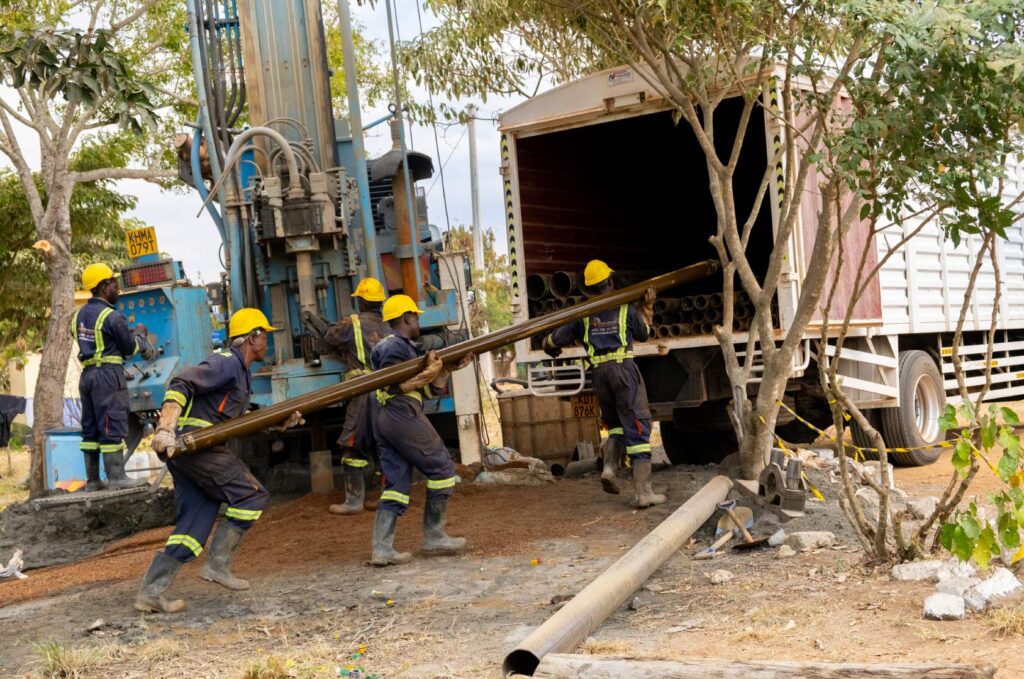
Solar-powered boreholes are transforming access to clean water across Kenya — especially in remote and off-grid regions where grid electricity is scarce or expensive. These…
How to Choose Professional Borehole Drilling Services in Kenya
20Jan

How to Choose Professional Borehole Drilling Services in Kenya

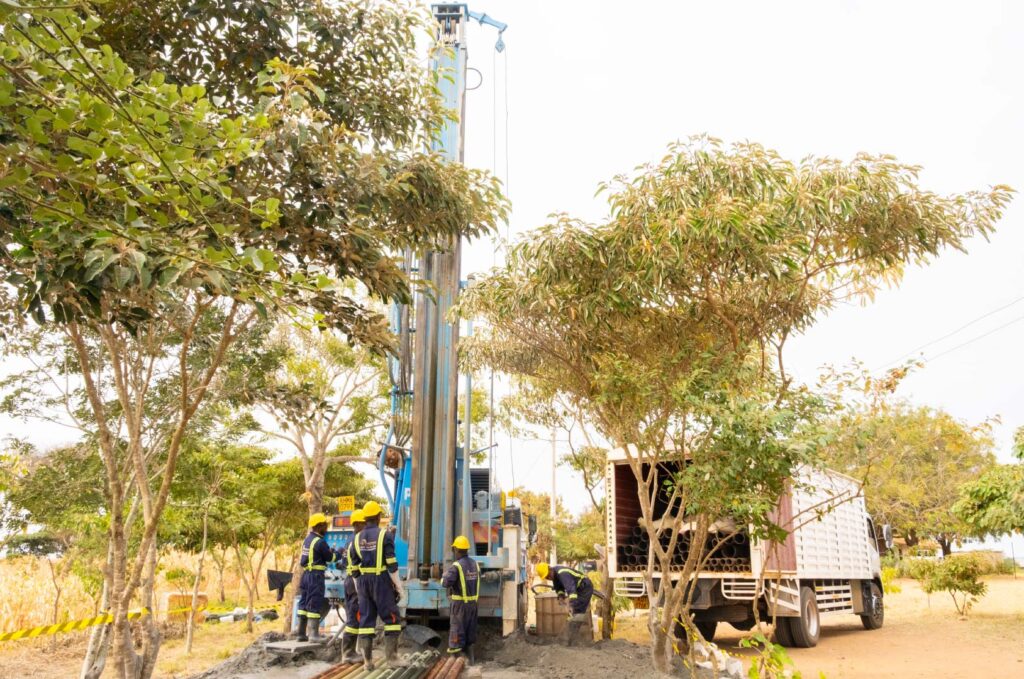
Selecting the right borehole drilling company in Kenya can determine the success of your water project. With water security becoming increasingly important, investing in professional…